

If you’ve ever stood in the kitchen on a cold morning, coffee in hand, and felt a little draught creeping in… you’ve probably had the thought: “These windows really owe me nothing.” And honestly, fair.
Upgrading windows and doors sounds straightforward, but once you start looking into it, there’s a bit more to think about than just picking a style you like. It affects how warm your home feels, how it looks from the street, and even how your renovation plans come together.
So here’s a proper, real-world guide to help you think it through. Nothing overly technical. Just the stuff you’ll be glad you considered before you spend the money.
1) Why windows and doors matter more than people expect
Windows and doors do more than “let light in”. They keep heat in, reduce outside noise, and make your home feel more comfortable day-to-day. If they’re old, warped, or poorly fitted, you can end up losing a surprising amount of heat, even if you’ve upgraded other parts of the house.
We often see this when people carry out larger upgrades like full home refurbishments, only to realise the existing windows are undoing some of that good work.
And doors matter just as much. A decent, well-fitted front door can make your hallway feel warmer, quieter, and more secure. Plus, it’s the first thing you see when you come home, so it has a bigger impact than you’d think.
2) Timing it with other renovations (especially kitchen extensions)
If you’re planning a renovation anyway, this is where windows and doors should be part of the bigger picture. The best time to upgrade them is often when you’re already doing building work, because it saves hassle and usually saves money.
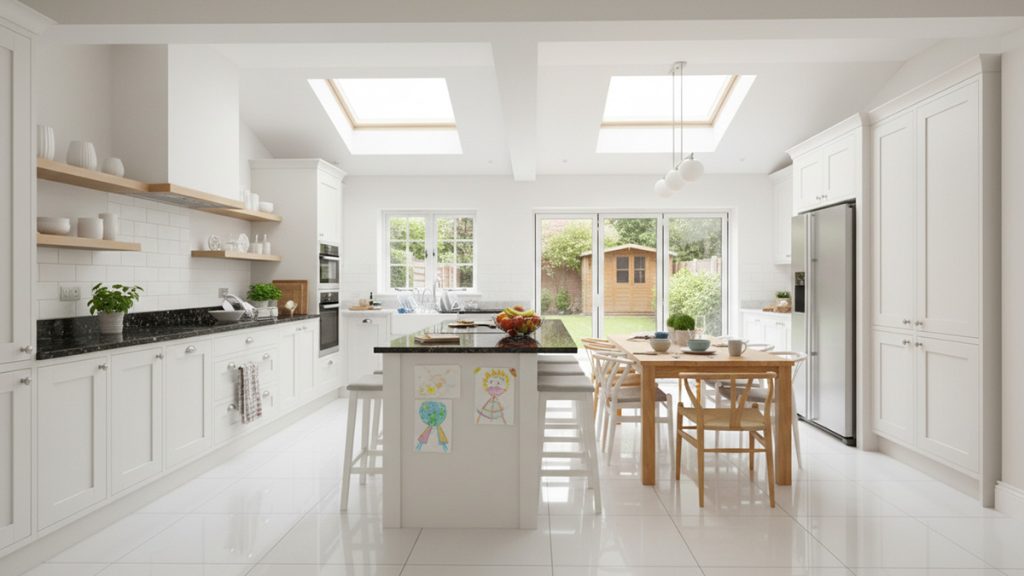
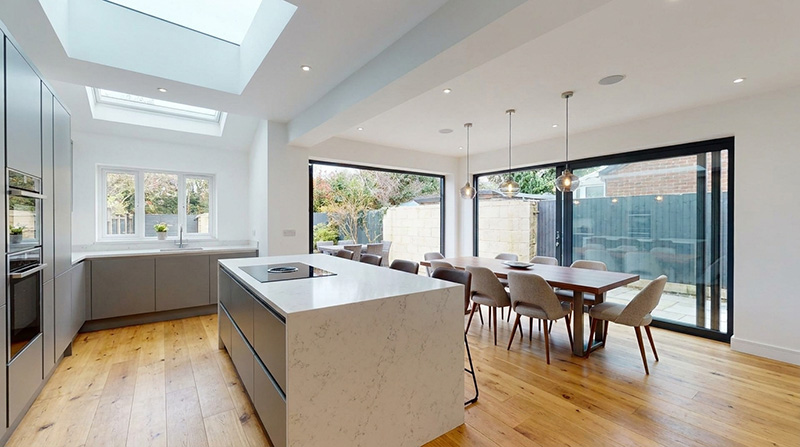
Upgrading during a kitchen extension or rear renovation
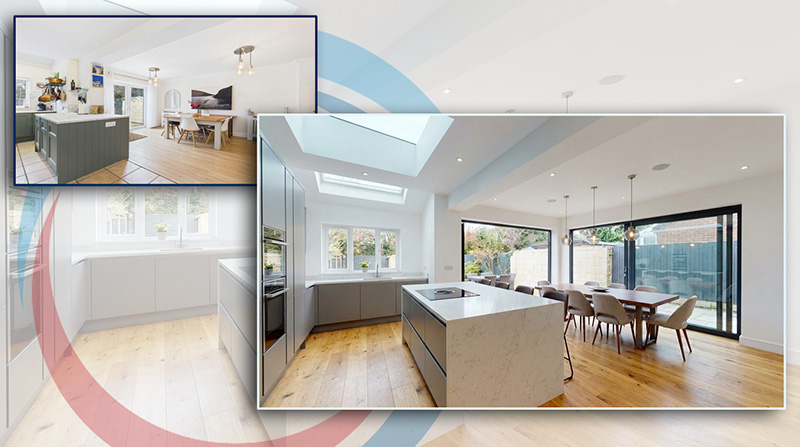
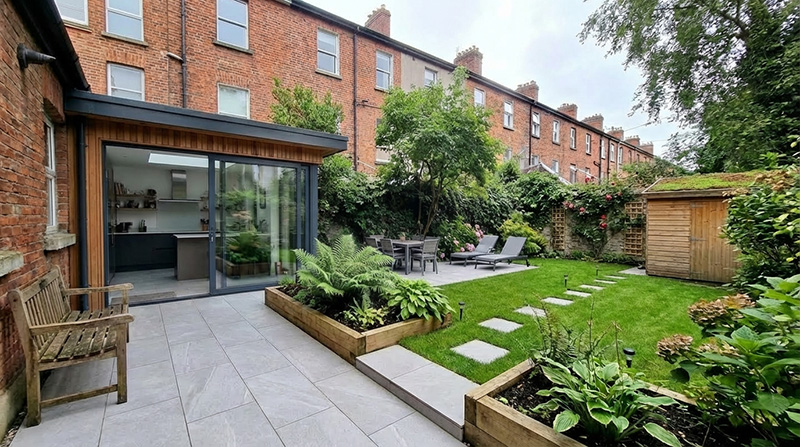
If you’re doing a kitchen extension, it’s really common to add bigger openings, sliding doors, or larger windows at the back. Once you do that, older windows nearby can suddenly look a bit… tired.
You might finish a lovely new space and then realise the rest of the glazing doesn’t match the new look or performance. That’s something we see a lot with rear extensions.
- You avoid double disruption (mess now, mess again later).
- You can plan window and door sizes properly around the new layout.
- You get a more consistent look inside and out.
Even if you’re not changing every single window, it’s worth thinking about the back of the house as one complete project when you’re extending.
3) Whole house upgrade vs just doing the front
This is one of the biggest decisions: do you upgrade everything in one go, or do you tackle it in phases?
Option A: upgrade the full house
Doing all windows and doors together usually gives you:
- Better overall warmth and comfort
- A consistent look across the whole home
- The best chance of improving your energy performance
This approach is especially common when people are already planning home extensions or major layout changes.
Option B: upgrade just the front of the house
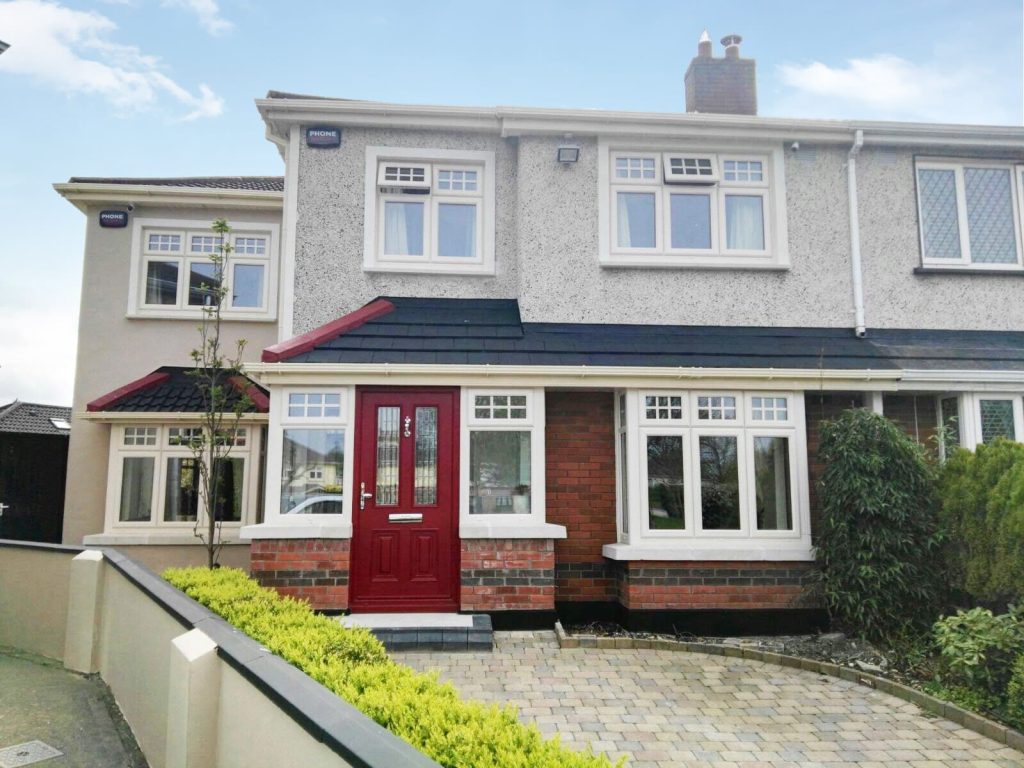
Some homeowners decide to upgrade only the front windows and front door first. Usually it’s because the front looks dated, it’s draughty at the hallway, or they want a quick boost in kerb appeal.
That approach can work really well visually. A new front door alone can completely change the feel of a home.
But here’s the catch: if you only upgrade part of the house, you might not get the same energy-performance benefit as upgrading everything. In some cases, depending on what’s replaced and what’s not, you could even lose a little on the overall energy rating.
4) Energy efficiency: it’s not just “double glazing”
Most people think new windows automatically mean a warmer house. Often yes… but the details matter. A lot.
Things that make a real difference:
- Glazing: double glazing is standard, and triple glazing can be great in certain areas, but it’s not always necessary everywhere.
- Frames: the frame quality matters as much as the glass.
- Installation: poor fitting can undo the benefits of even the best products.
If you’re interested in the bigger picture of how upgrades affect comfort and performance, our guide to planning a home renovation goes into this in more detail.
5) Comfort extras: noise, drafts, and “that cold corner”
People often upgrade windows for warmth, but lots of homeowners end up loving the noise reduction just as much.
If you live near a busy road or in an older area, new windows can make your home noticeably quieter. And if you’ve ever had one room that’s always colder than the rest, windows and doors are often part of the reason.
This comes up a lot in older homes, especially when people are also considering projects like attic conversions, where heat retention suddenly matters much more.
A quick, honest wrap-up
Upgrading windows and doors isn’t the most exciting part of home improvement, but it’s one of the most noticeable once it’s done. Your house feels warmer, quieter, and more comfortable day to day.
If you’re renovating anyway — especially doing a kitchen extension or larger refurbishment — it’s well worth thinking about windows and doors early. Even if you’re only upgrading the front for now, having a longer-term plan can save you hassle later.
Take your time, ask questions, and think about how you actually live in the house. The right decisions here make a bigger difference than most people expect.
FAQs
Should I upgrade my windows and doors before or after an extension?
It’s usually best to plan them alongside the extension so openings, finishes, and layouts all work together and you don’t end up redoing work later.
Is it worth upgrading just the front windows and front door?
Yes, especially for kerb appeal and comfort, but be aware that a partial upgrade may not improve your overall energy performance as much as doing the whole house.
Will new windows definitely make my house warmer?
In most cases, yes — but only if they’re good quality and properly installed. Fitting matters just as much as the glazing.
Do I need planning permission to replace windows and doors?
Usually no, unless the property is protected or you’re making major changes to the front appearance.
Should I choose double or triple glazing?
Double glazing suits most homes. Triple glazing can be useful in certain situations, but it’s not always necessary everywhere.