

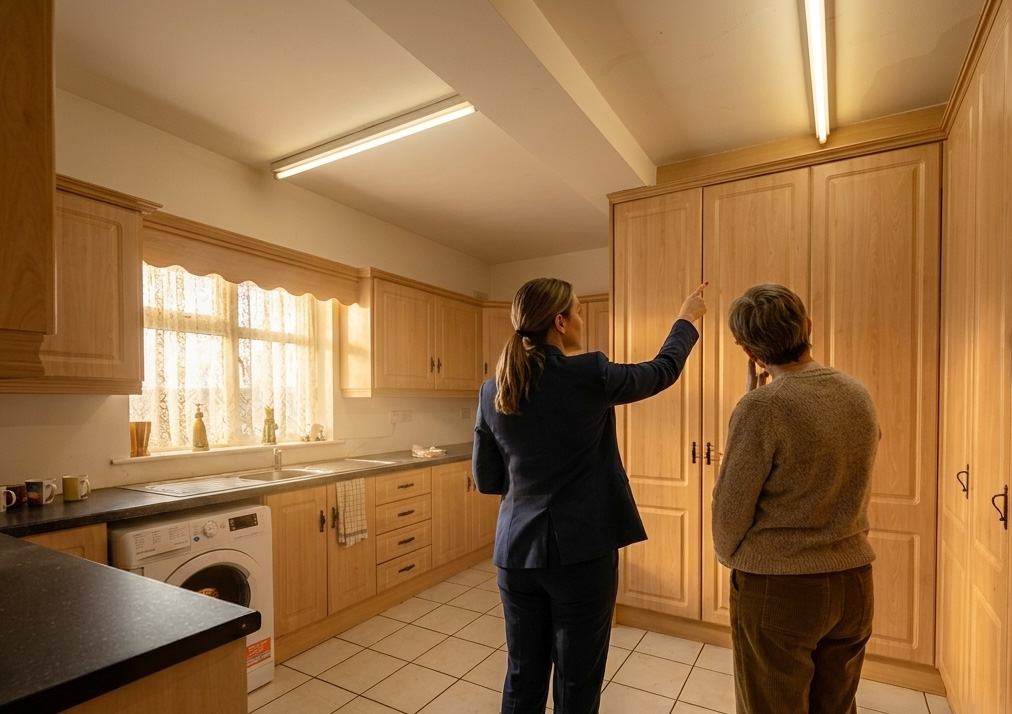
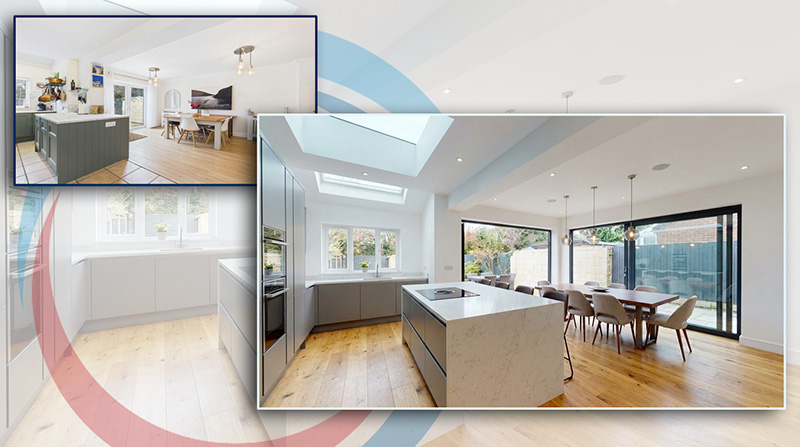
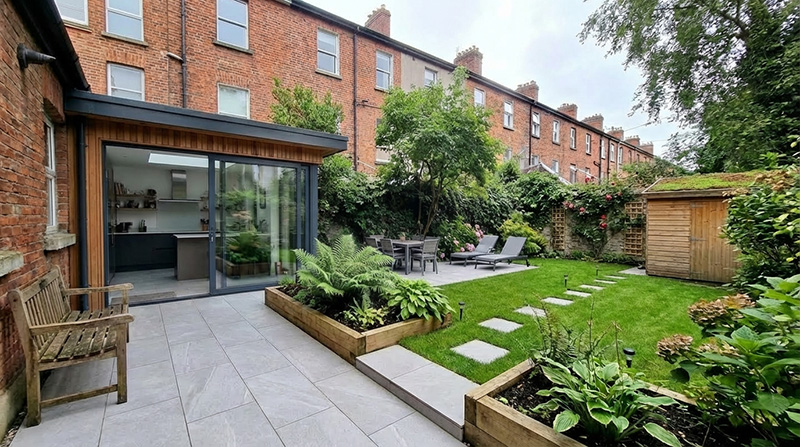
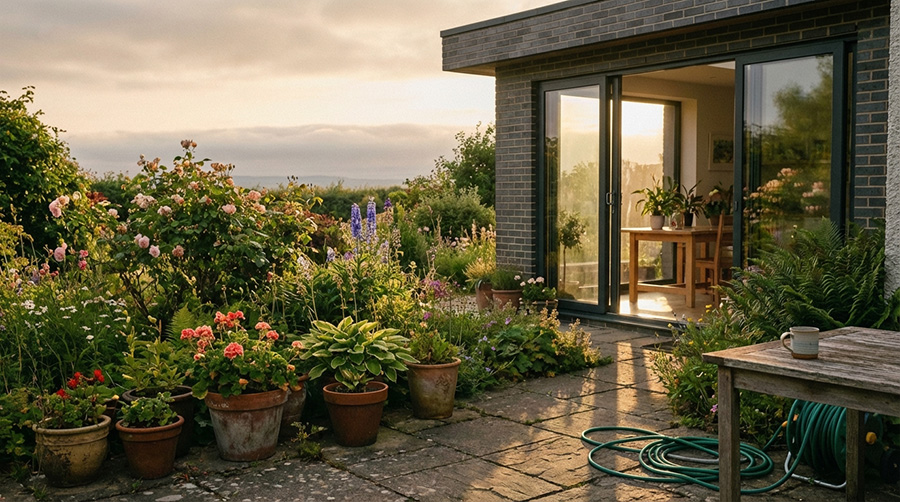

If you live in an older home in places like Lucan, Blackrock, Castleknock, or Dundrum, chances are you’ve felt the cold in winter, the heat escaping through the walls, or that constant sense that your house just isn’t as comfortable or efficient as it could be.
You’re not alone. A lot of Dublin’s housing stock was built long before energy efficiency was even a thing people talked about. Back then, homes were solidly built, but insulation, airtightness, and modern heating systems weren’t exactly top of the list.
The good news? You don’t have to tackle everything at once — and you don’t have to pay for it all yourself. Home retrofit grants and individual upgrade grants can help you improve comfort, cut energy bills, and future-proof your home, one step at a time.
This guide explains what grants are available, how they work in real life, and how homeowners are using them alongside renovation projects.
What Are Home Retrofit & Individual Upgrade Grants?
Home retrofit grants are designed to help homeowners improve the energy efficiency of their homes. They’re administered through the SEAI (Sustainable Energy Authority of Ireland) and are available whether you’re doing a full renovation or just upgrading one part of your house.
There are two main routes:
- Full home retrofit (one-stop-shop)
- Individual upgrade grants
Most homeowners we talk to start with individual upgrades — it’s less overwhelming, more affordable, and easier to plan around everyday life.
Why Retrofit Grants Matter for Older Dublin Homes
Older homes in areas like Lucan, Castleknock, and Dundrum were often built with solid block walls, little or no insulation, and older heating systems. They’re full of character, but they can be expensive to run.
Blackrock homes, especially older coastal properties, often struggle with heat loss, damp, and draughts — things that modern retrofit measures can dramatically improve.
Retrofit grants help address common problems like:
- Cold rooms and uneven heating
- High energy bills
- Poor BER ratings
- Condensation and damp
And importantly, these upgrades don’t just make your home warmer — they make it more liveable.
Individual Home Retrofit Grants (The Most Popular Option)
Individual upgrade grants let you improve your home bit by bit. You don’t need to commit to a full energy overhaul, and you can plan works around other renovations.
Some of the most commonly used grants include:
Attic Insulation Grants
This is often the first upgrade people do — and for good reason. Heat rises, and in many older homes, it’s escaping straight through the roof.
Attic insulation is:
- Relatively quick to install
- Highly effective
- One of the best value upgrades
It’s especially popular in older semi-detached homes in Lucan and Castleknock, where the attic space is easy to access.
Wall Insulation Grants
Wall insulation can make a huge difference, but the right approach depends on how your house was built.
- Cavity wall insulation (where suitable)
- External wall insulation (common for solid walls)
Many older homes in Blackrock and Dundrum fall into the solid wall category, which makes external insulation a popular option during wider renovation works.
Windows & Doors (When Done as Part of a Retrofit)
While windows and doors don’t always get standalone grants, they often make sense as part of a broader retrofit or renovation.
Upgrading old single or early double glazing can massively improve comfort, reduce draughts, and make the home feel quieter and more secure.
What About the One-Stop-Shop Home Retrofit?
The one-stop-shop approach is aimed at homeowners who want to carry out a full energy upgrade in one go.
This usually includes:
- Insulation upgrades
- Heat pump installation
- Ventilation improvements
- Solar panels
It’s a great option, but it’s not for everyone. It can be more disruptive and requires more upfront planning. That’s why many homeowners prefer to combine individual grants with renovation projects instead.
Combining Retrofit Grants With Renovation Projects
This is where things really start to make sense.
If you’re already planning renovation work — whether it’s a full refurbishment, layout changes, or upgrading tired parts of the house — it’s the perfect time to think about energy upgrades.
For example:
- Wall insulation added during external works
- Attic insulation done alongside rewiring
- Ventilation upgrades during bathroom renovations
Planning these upgrades together can save money, reduce disruption, and avoid having to redo work later.
If you’re considering a wider renovation, it’s worth looking at our Home Renovations Dublin page to see how these upgrades often fit into full refurbishment projects.
Do Retrofit Grants Improve BER Ratings?
Yes — and often more than people expect.
Even one or two well-planned upgrades can significantly improve a home’s BER rating, which can:
- Lower energy bills
- Increase comfort
- Improve resale value
For older homes in established Dublin suburbs, this can be a big selling point down the line.
Common Mistakes Homeowners Make
We see a few mistakes crop up again and again:
- Starting work before grant approval
- Upgrading in the wrong order
- Not considering future renovation plans
- Assuming older homes “can’t be improved”
With a bit of planning, most of these are easy to avoid.
Frequently Asked Questions
What are home retrofit grants?
Home retrofit grants help homeowners improve the energy efficiency of their homes through measures like insulation, heating upgrades, and ventilation improvements.
Can I do retrofit upgrades in stages?
Yes. Individual upgrade grants are designed to allow homeowners to improve their homes gradually rather than all at once.
Are retrofit grants suitable for older homes?
Absolutely. Many grants are specifically used in older homes, including those built with solid walls or older construction methods.
Do I need approval before starting work?
Yes. Grant approval must be in place before any work begins, otherwise the application may be refused.
Can retrofit grants be combined with renovation projects?
Yes. Many homeowners combine retrofit grants with wider renovation or refurbishment works for better value and less disruption.
Final Thoughts
Older homes have a lot going for them — space, character, and great locations. With the help of retrofit and individual upgrade grants, they can also be warm, comfortable, and energy efficient.
You don’t have to do everything at once. Start with what makes sense, plan ahead, and build improvements over time. Your future self (and your heating bills) will thank you.