


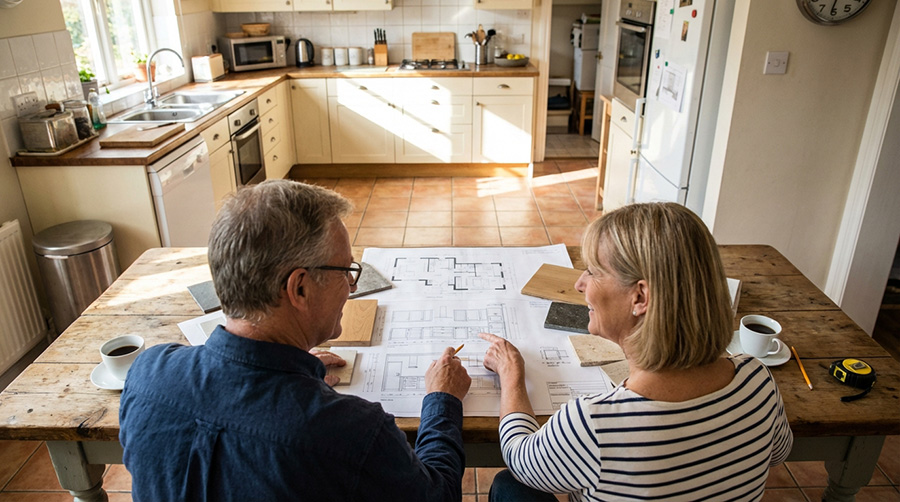
If you’ve ever walked into an older house in Dublin and thought, “This has great bones”, you’re definitely not alone. We hear it all the time. Whether it’s a redbrick in Drumcondra, a 1930s semi in Raheny, a period home in Glasnevin, or a larger family house in Malahide, older homes have loads of character. High ceilings, solid walls, big gardens… what’s not to love?
But here’s the thing we always say to people over a coffee before a project starts: older houses nearly always have a few surprises hiding behind the walls. Sometimes small. Sometimes… not so small.
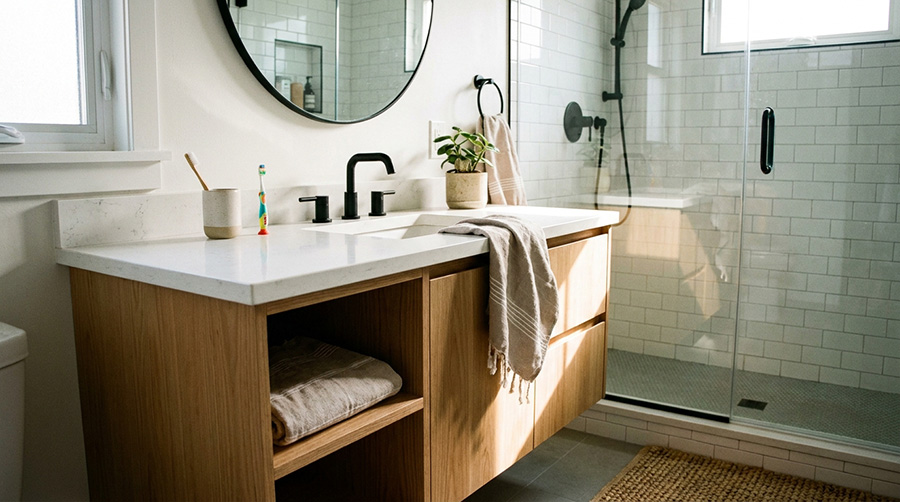
In this post, I want to walk you through the most common hidden issues we uncover when renovating older homes across Dublin. Nothing scary, nothing overly technical, just real-world stuff we see every week on sites. If you’re planning a renovation, extension, or even just “doing it up bit by bit”, this should give you a good feel for what might be lurking beneath the surface.
Every Older House Tells a Story (And Not All of It Is Written Down)
One of the first things we say to clients renovating an older home is this: the house has lived a life before you.
It might have been extended in the 70s, rewired in the 80s, partially insulated in the 90s, and “patched up” a dozen times since. Very rarely has everything been done at once, and even more rarely was it all done to modern standards.
In places like Drumcondra and Glasnevin, especially, we often see houses that have had multiple owners over decades. Each owner did what made sense at the time. A new bathroom here, a back kitchen there, a DIY job that looked fine on the surface… until we open something up.
This doesn’t mean you shouldn’t renovate an older home. Far from it. It just means going in with your eyes open and a bit of flexibility in your budget and timeline.
1. Electrical Wiring That’s Past Its Best
This is probably the most common issue we uncover, and it’s one of the most important to deal with properly.
In older Dublin homes, especially those built before the 1970s, we regularly come across:
- Old rubber or fabric-insulated wiring
- Mixed wiring from different eras
- Consumer units (fuse boards) that are well overdue an upgrade
- Not enough sockets for modern living
On the surface, everything might appear to work fine. Lights turn on. Sockets work. But once walls come down or ceilings are opened, it becomes clear that the system isn’t safe or suitable anymore.
We see this a lot in Raheny and Glasnevin semis where homeowners want open-plan kitchen-diners. Once the walls are opened up, it usually makes sense to rewire properly rather than patch things together again.
If you’re already renovating, upgrading the electrics is one of those things that’s best done once and done right.
2. Plumbing That’s Been Added to (Not Replaced)
Plumbing in older homes often tells a very similar story to electrics.
Instead of one full upgrade, we usually find layers of changes:
- Old galvanised steel pipes mixed with copper or plastic
- Poor water pressure upstairs
- Pipe runs that make no logical sense anymore
- Hidden leaks that have gone unnoticed for years
In Malahide, where some houses are larger and have been extended multiple times, we often uncover plumbing systems that were never designed to handle modern bathrooms, power showers, or multiple ensuites.
Leaks are a big one. We’ve opened floors only to find timber joists darkened from slow leaks that had been dripping quietly for years. Nothing dramatic. Just enough to cause long-term damage.
Again, it’s not glamorous, but upgrading plumbing during a renovation saves a lot of hassle down the line.
3. Insulation (Or the Lack of It)
Insulation is one of those things you don’t see, but you definitely feel it.
Many older Dublin homes were built long before insulation was even a consideration. What we commonly find:
- Little to no insulation in walls
- Thin or uneven attic insulation
- Cold bridging around windows and doors
- Draughts you can actually feel on windy days
People often say, “Sure, the house is solid.” And it is. But solid doesn’t always mean warm or efficient.
When renovating older homes in Drumcondra or Raheny, we usually recommend addressing insulation as part of the wider works. Especially if you’re already opening walls, replacing windows, or planning an extension.
It also has a huge impact on your BER rating and ongoing heating costs, which matters more than ever.
You can read more about upgrading homes as part of larger projects on our home renovations page.
4. Damp Issues (Not Always Obvious at First)
Damp is one of those words that immediately worries people, but it doesn’t always mean disaster.
In older Dublin homes, we commonly come across:
- Rising damp due to missing or failed damp-proof courses
- Penetrating damp from cracked render or blocked gutters
- Condensation caused by poor ventilation
In Glasnevin and Drumcondra, where houses are often close together, ventilation can be a real issue. Bathrooms without proper extraction, kitchens that were retrofitted years ago, or sealed-up fireplaces can all contribute.
The tricky part is that damp is often hidden behind plaster or furniture. You don’t always see it until renovation work begins.
The good news? Most damp issues are fixable once properly identified. The key is not to just “cover it up” again.
5. Structural Surprises Behind Walls
This is where the real unknowns can pop up.
When walls come down in older houses, especially those that have been altered before, we sometimes uncover:
- Removed or compromised load-bearing walls
- Undersized lintels over widened openings
- Timber that’s been cut back or weakened
- Extensions built without proper foundations
We’ve seen this in older Malahide homes where previous extensions were done decades ago, long before modern standards or inspections.
It doesn’t mean everything needs to be rebuilt, but it often means strengthening or correcting what’s already there. This is especially important if you’re planning a kitchen extension or opening up the rear of the house.
If you’re considering extending, our home extensions guide explains what’s involved in more detail.
6. Asbestos (Handled Safely, But Needs Care)
Asbestos is another word that makes people nervous, and understandably so.
In older homes, especially those refurbished between the 1950s and 1980s, asbestos can sometimes be found in:
- Old floor tiles
- Ceiling panels
- Pipe insulation
- Shed or garage roofs
It’s not always present, and when it is, it’s usually manageable once identified. The key thing is that it must be dealt with properly and safely.
We always recommend testing if there’s any doubt before disturbing materials during a renovation.
7. Windows and Doors That Look Fine… But Aren’t
Older windows can be deceptive.
They might look okay, but often they:
- Let in draughts
- Offer very little insulation
- Are poorly sealed or warped
- Contribute to heat loss and condensation
In areas like Raheny and Glasnevin, where many homes still have original or early replacement windows, upgrading can make a massive difference to comfort.
That said, some homeowners choose to only upgrade the front of the house to preserve the original look, especially in period streets. That’s totally doable, just with a few trade-offs in energy efficiency.
8. Layouts That Don’t Suit Modern Living
This isn’t a “problem” as such, but it’s something almost everyone renovating an older home runs into.
Older homes were designed very differently:
- Smaller kitchens
- Separate dining rooms
- Narrow hallways
- Less focus on natural light
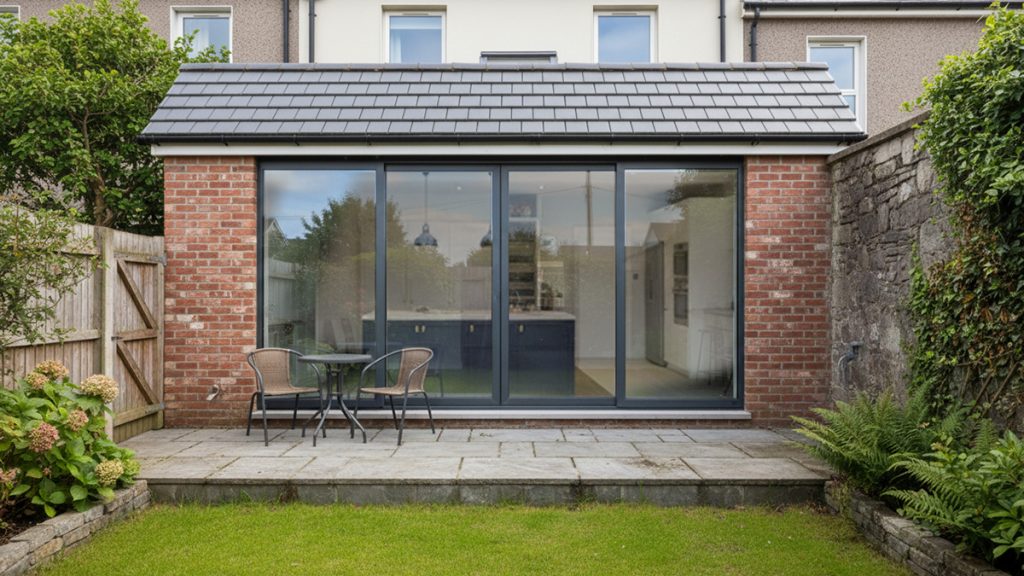
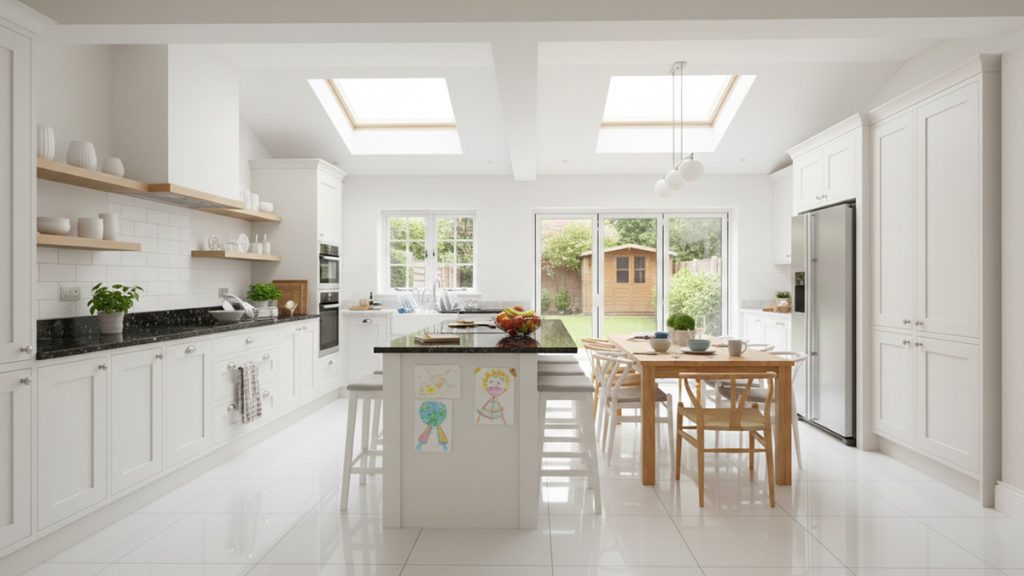
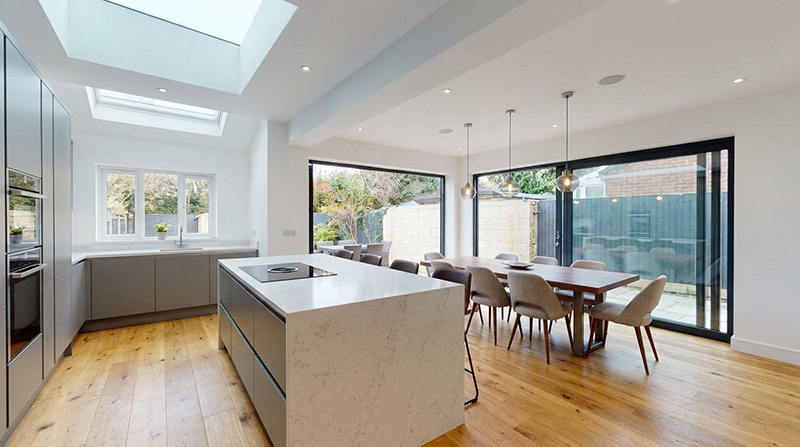
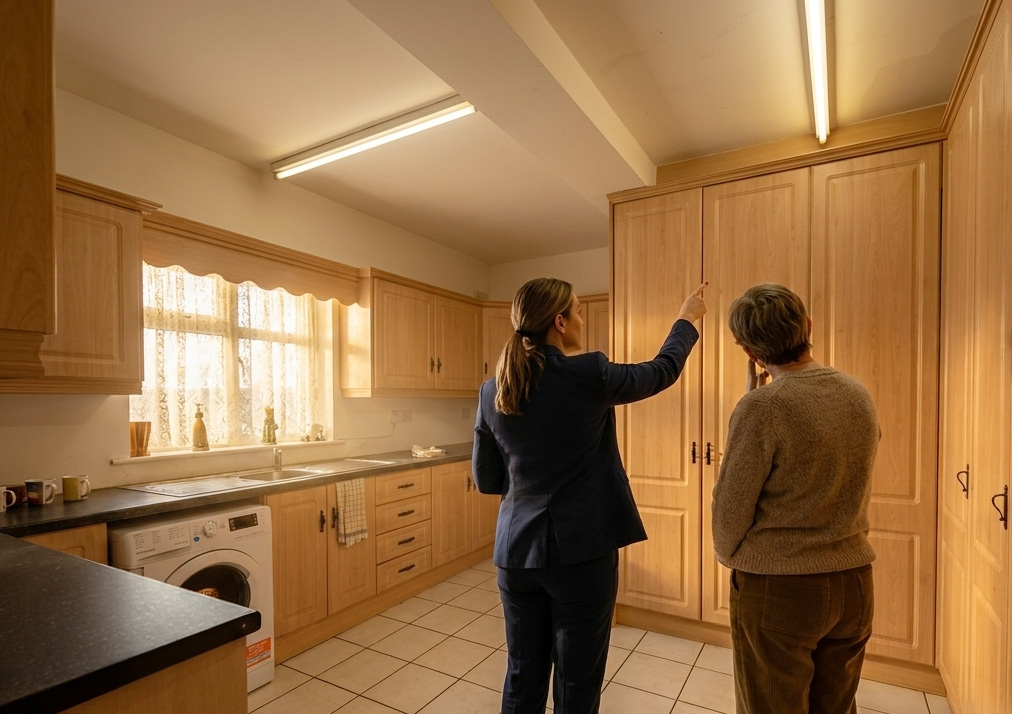
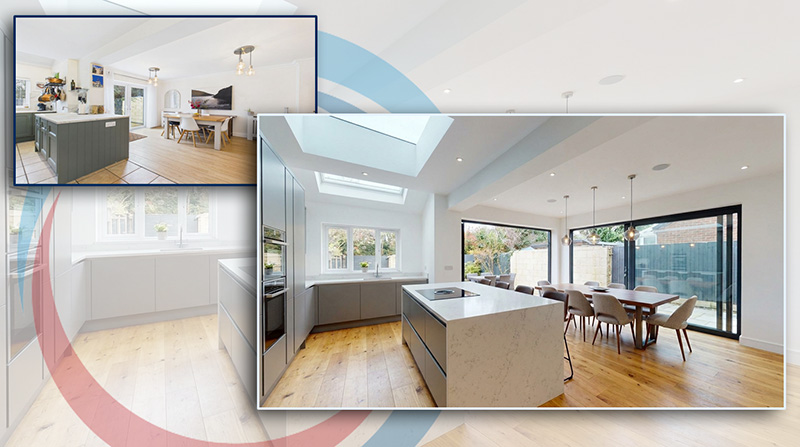
When renovating homes in Drumcondra or Malahide, one of the most common requests we get is to open up the back of the house and create a brighter, more connected living space.
This often ties in with extensions, reconfigurations, and structural changes — which is where uncovering those hidden issues becomes part of the process.
Budgeting for the Unknown (Without Panicking)
If there’s one bit of advice we always give, it’s this: allow a contingency.
When renovating an older home, especially in Dublin, it’s sensible to set aside 10–20% of your budget for unexpected findings. You might not need it all, but it’s far better to have it there than to be caught out.
Most hidden issues aren’t deal-breakers. They’re just part of working with a house that’s been standing for 60, 80, or even 100 years.
Final Thoughts (From One Renovation to Another)
Renovating an older home in Dublin can be incredibly rewarding. You get character, location, mature gardens, and a house with real personality.
Yes, there are hidden issues. Yes, things will come up that you didn’t expect. But with the right planning, the right team, and a bit of flexibility, those issues are manageable.
We’ve renovated older homes all over Dublin — from Malahide to Drumcondra, Raheny to Glasnevin — and every single one has had its own quirks. That’s just part of the charm.
If you’re thinking about renovating or extending an older home, take your time, ask questions, and don’t be afraid of what you might find behind the walls. Most of the time, it’s all fixable.
And once it’s done? You’ll have a home that blends old character with modern comfort. Which is kind of the best of both worlds.
Frequently Asked Questions
Is it more expensive to renovate an older home in Dublin?
It can be, mainly because of hidden issues like wiring, plumbing, or structural upgrades. That said, good planning and a contingency budget help keep things under control.
Do older homes in areas like Drumcondra or Glasnevin need full rewiring?
In many cases, yes. Especially if the wiring hasn’t been upgraded in decades. A full rewire is often safer and more cost-effective than patching.
Should I upgrade insulation during a renovation?
Absolutely. If walls or roofs are being opened anyway, it’s the ideal time to improve insulation and energy efficiency.
Are damp issues common in older Dublin houses?
They’re fairly common, but usually manageable. The key is identifying the cause properly rather than just covering up the symptoms.
Can I extend an older home while keeping its original character?
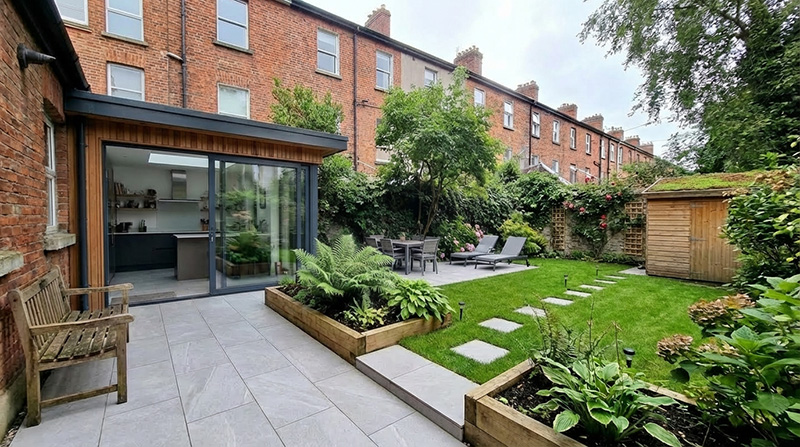
Yes. Many homeowners do this by focusing modern changes at the rear while preserving the original front of the house.