


From timeless solid hardwood to stable engineered wood and ultra-durable laminate, each option has distinct pros and cons.
Wood flooring brings warmth, character, and long-term value to a property. Whether you’re upgrading a Dublin semi-detached, restoring a period home, or finishing a modern extension, the right timber floor can anchor your interior design and elevate the feel of every room.
This guide explains the best wood flooring options in Ireland, including popular styles like herringbone and chevron, plus practical tips for concrete subfloors and underfloor heating.
Related renovation services: If you’re planning a broader upgrade, explore our Full Refurbishments, Interior Reconfiguration, Home Extensions, Kitchen Renovations, and Bathroom Remodels.
1. Solid Hardwood Flooring: The Timeless Original
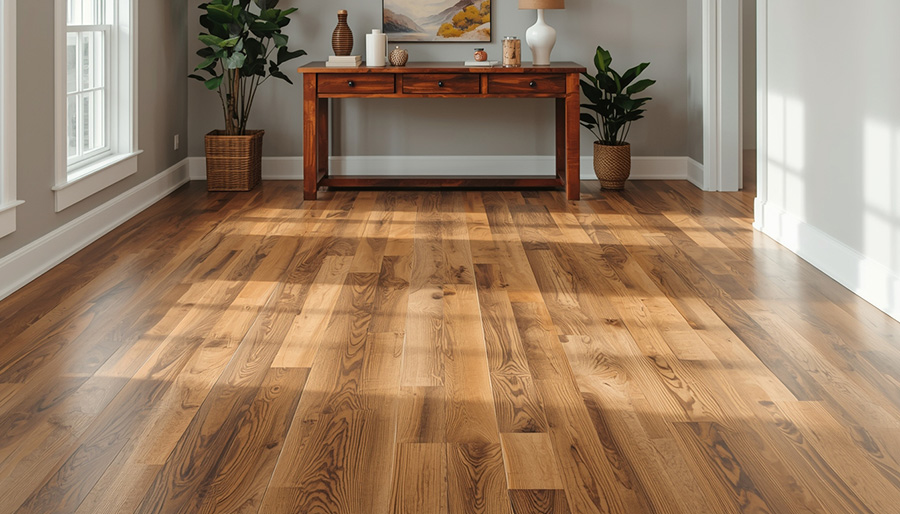
Solid hardwood is the classic choice for homeowners who want an authentic, long-lasting timber floor—particularly in living rooms, dining rooms, and bedrooms.
What it is
Solid hardwood flooring is milled from a single piece of natural timber, commonly oak, walnut, maple, or ash. Because it’s solid all the way through, it can be sanded and refinished multiple times over its lifespan.
Pros
- Exceptional lifespan: often 80–100+ years with proper care
- Refinishing flexibility: sand and re-stain to refresh the look over time
- Authentic character: natural grain, knots, and a beautiful patina as it ages
- Strong resale appeal: especially in period properties and higher-end renovations
- Natural material: can be finished with low-VOC products for improved indoor air quality
Cons
- Higher cost: materials + professional installation can be premium
- Moisture sensitivity: can expand/contract with Irish humidity changes
- Not ideal on concrete: typically needs a suitable subfloor system
- Scratches/dents: needs protection in busy homes (pets, furniture, high traffic)
Best suited for: Living rooms, bedrooms, and dry, above-ground spaces where you want a “forever floor.” If you’re renovating the layout at the same time, see Interior Reconfiguration.
2. Engineered Hardwood Flooring: The Modern All-Rounder
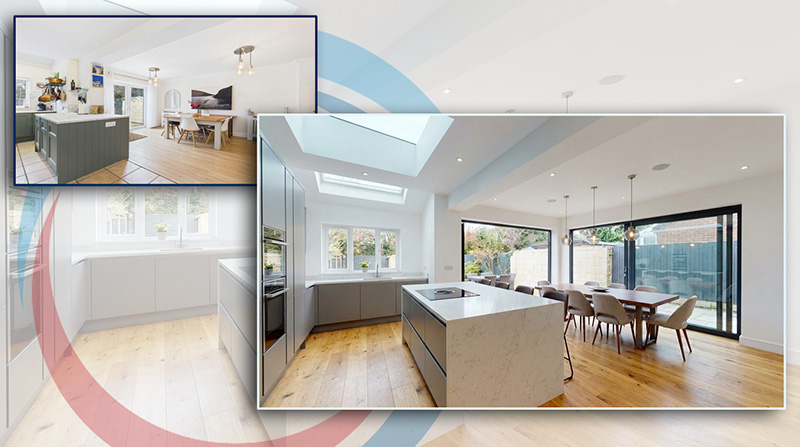
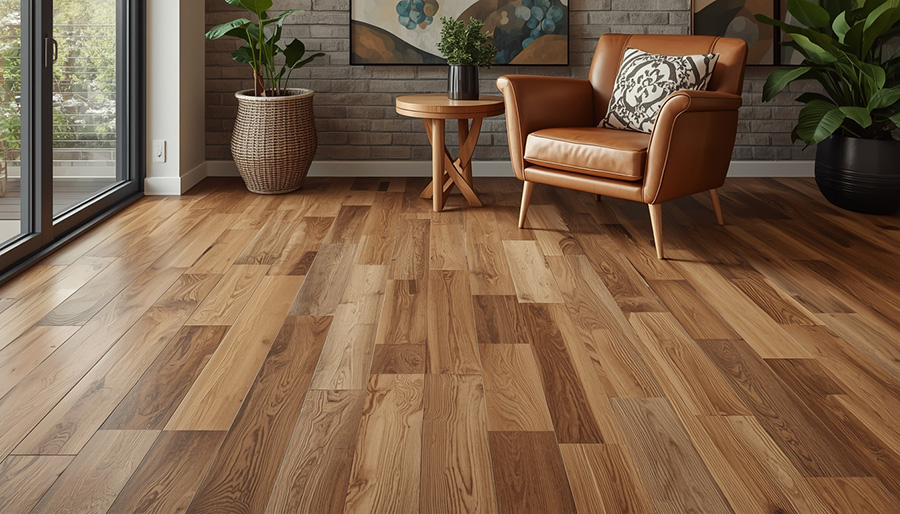
Engineered wood is one of the most popular choices in Ireland because it offers the look of real timber with better stability—especially useful in extensions, open-plan spaces, and homes with underfloor heating.
What it is
Engineered hardwood uses a real hardwood top layer (veneer) bonded to multiple layers beneath (plywood or HDF). This construction improves dimensional stability—ideal for Ireland’s climate and for floors laid over concrete (with the correct system and underlay).
Pros
- More stable than solid wood: better resistance to humidity and temperature changes
- Excellent for extensions: especially large open-plan spaces
- Compatible with underfloor heating: when correctly specified and installed
- Flexible installation: glue-down, nail-down, or floating click-lock
- Refinishing potential: premium boards with thick wear layers may be refinished 1–3 times
Cons
- Limited refinishing on lower-cost boards: thin veneers may not be sandable
- Quality varies: wear layer thickness and core quality matter a lot
- Can be premium-priced: high-quality engineered wood can rival solid hardwood
Best suited for: Most rooms in Irish homes, including renovations with concrete subfloors or underfloor heating. If you’re building out a bigger footprint, see Home Extensions and Insulation & Energy Upgrades for comfort improvements.
3. Laminate Flooring: The Durable, Budget-Friendly Choice
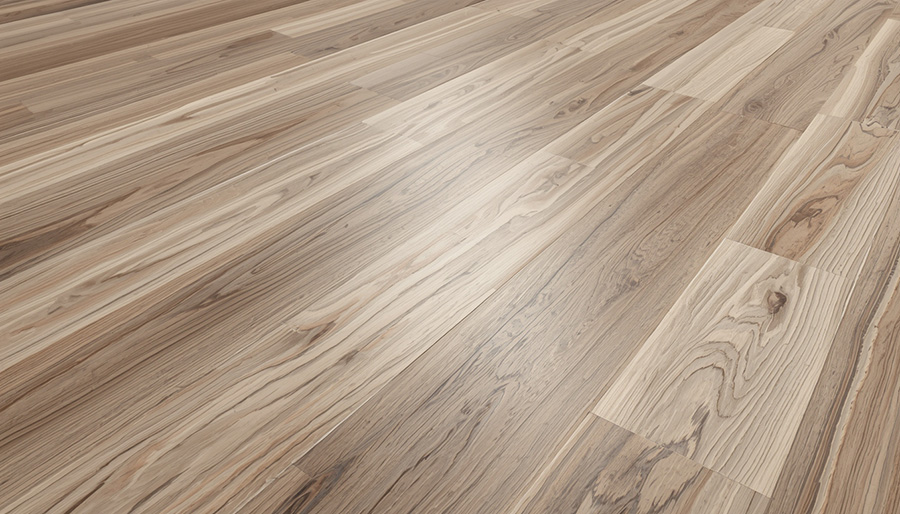
Laminate has improved massively in recent years. For busy family homes (kids, pets, heavy foot traffic), it’s often chosen for its durability and value—especially when you want a consistent “wood look” without the maintenance of real timber.
What it is
Laminate is a layered product with a high-resolution photographic wood image on top, a fibreboard core, and a hard protective wear layer. Many modern products offer water-resistant or waterproof performance—useful for kitchens, hallways, and entry areas.
Pros
- Very scratch-resistant: great for high-traffic areas
- Cost-effective: ideal when renovating on a budget
- DIY-friendly: floating click-lock installation is common
- Low maintenance: easy to clean and keep looking consistent
- Moisture options: many ranges are water-resistant/waterproof
Cons
- Not real wood: lacks the depth and warmth underfoot
- Cannot be refinished: damaged boards usually need replacement
- Acoustic “hollow” feel: underlay quality is crucial
- Lower resale impact: compared to genuine hardwood
Best suited for: Hallways, playrooms, rentals, and busy family homes. If you’re also upgrading doors/windows that affect comfort and noise, see Window & Door Replacements.
Popular Wood Flooring Patterns & Layout Styles (Herringbone, Chevron & More)
Beyond material choice, the laying pattern can transform the final look. In Irish renovations, patterns like herringbone and chevron are especially popular in hallways, living rooms, and open-plan kitchen-dining spaces.
Herringbone Flooring: Timeless Sophistication
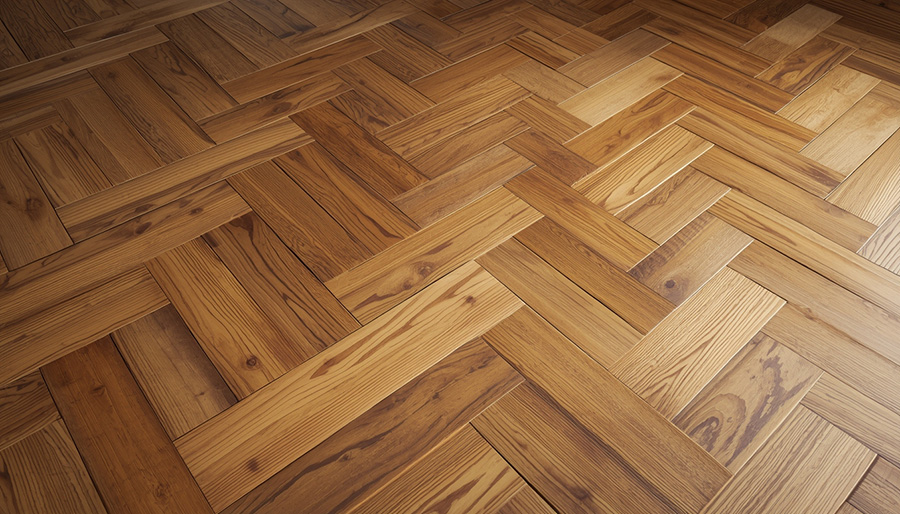
Herringbone uses rectangular planks laid in a broken zig-zag pattern. It works beautifully in period properties and gives instant “designer” impact in modern renovations too.
- Creates a premium, high-end look
- Adds movement and visual interest
- Perfect for hallways and feature areas
Chevron Flooring: Clean & Contemporary Impact
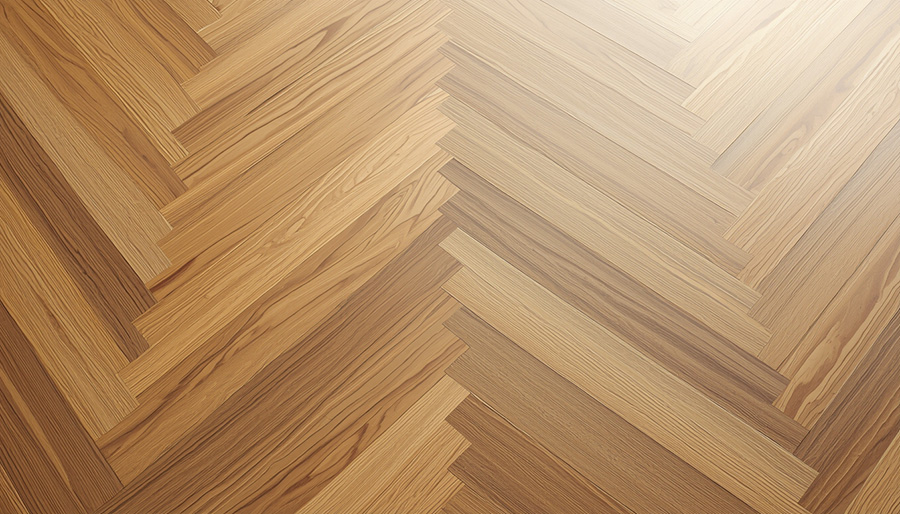
Chevron planks are cut at an angle so they meet in a crisp, continuous V pattern. It’s more symmetrical than herringbone and tends to suit contemporary interiors and open-plan layouts.
- Bold modern statement
- Looks great in open-plan extensions
- Strong “architectural” finish
Wide Plank Flooring: Calm, Spacious & Modern
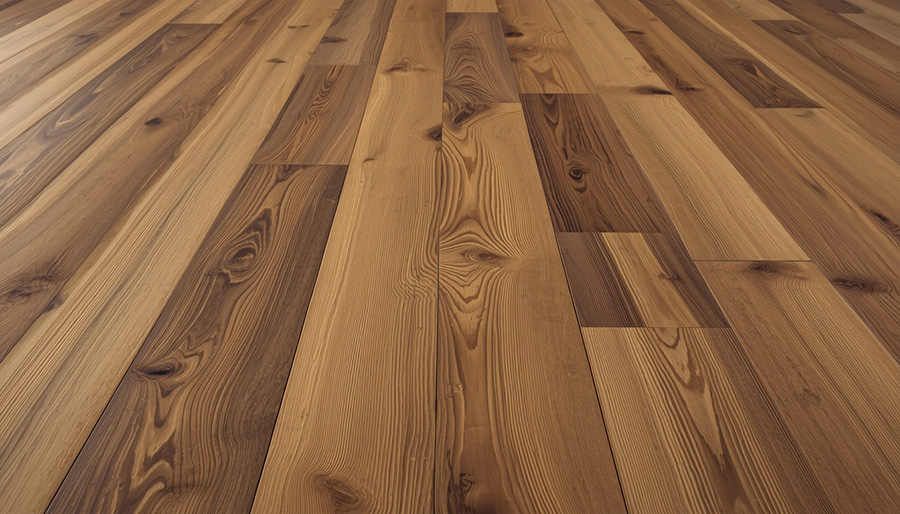
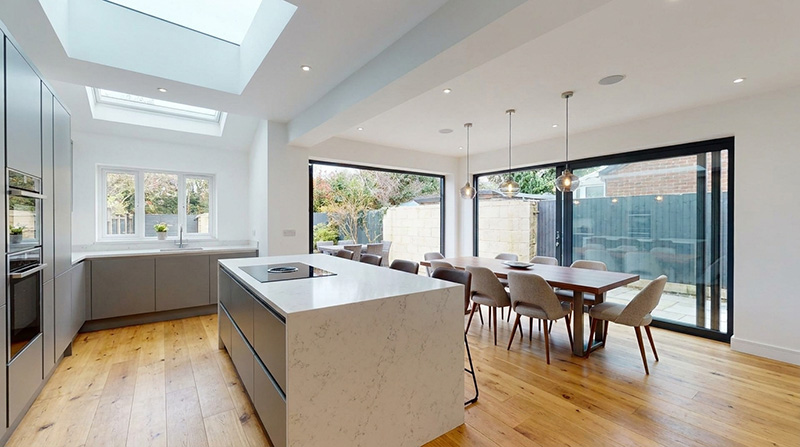
Wide planks use fewer seams and show more of the wood’s natural grain. This is a go-to style for modern Irish interiors, especially in new extensions and full refurbishments.
- Makes rooms feel larger
- Excellent for open-plan layouts
- Highlights timber grain and tone
Quick Comparison Table
| Feature | Solid Hardwood | Engineered Wood | Laminate |
|---|---|---|---|
| Material | 100% solid wood | Real wood veneer + layered core | Synthetic layers |
| Best for (Ireland) | Dry, above-ground living spaces | Most rooms, extensions, UFH (with correct spec) | High-traffic areas, budget renovations |
| Water resistance | Poor | Good | Very good–excellent (product dependent) |
| Can it be refinished? | Yes (multiple times) | Yes (1–3 times if thick veneer) | No |
| DIY installation | Difficult | Moderate | Easy |
| Typical lifespan | 80–100+ years | 25–100 years | 15–25 years |
| Cost range | €€€ | €€–€€€ | €–€€ |
Making the Right Choice for Your Home (Dublin & Ireland)
When selecting wood flooring for an Irish renovation, it helps to think practically as well as aesthetically:
- Budget: Include underlay, trims, thresholds, and installation
- Subfloor type: Concrete vs timber suspended floors changes what’s suitable
- Moisture risk: Entryways, kitchens, and utility rooms need careful product selection
- Underfloor heating: Engineered wood is often the safer choice
- Home layout: Open-plan designs may benefit from wide plank or chevron
- Long-term plans: A “forever home” may justify solid wood investment
If your renovation includes a new kitchen or open-plan layout, explore our Kitchen Renovations and Home Extensions pages. For full-property upgrades, see Full Refurbishments.
Wood Flooring FAQs (Ireland)
Is engineered wood better than solid wood in Ireland?
In many Irish homes, engineered wood is often the more practical choice because it’s more stable with humidity changes and commonly works better over concrete subfloors and underfloor heating. Solid wood is still excellent in dry, above-ground rooms where you want maximum refinishing potential.
Can you install solid hardwood on a concrete floor?
It’s possible, but it typically requires a specialist subfloor build-up and moisture control system. In most cases, engineered wood (or a suitable alternative) is simpler and safer for concrete floors in Ireland.
What’s the best wood flooring for underfloor heating?
Engineered wood is usually the best option because it’s designed to handle temperature changes more reliably than solid timber. Always confirm compatibility and follow the flooring manufacturer’s installation guidance.
Is herringbone flooring more expensive?
Yes—herringbone typically costs more due to increased labour, cutting, and wastage compared to straight plank installation. The visual impact is significant, which is why it’s a popular “feature floor” choice in Irish renovations.
Is laminate flooring suitable for kitchens in Ireland?
Many modern laminate products are water-resistant or waterproof and can work well in kitchens—especially when installed correctly with suitable underlay and sealed edges where recommended.
How do I keep wood flooring looking good in a busy family home?
Use protective pads under furniture, choose durable finishes (and appropriate grade/spec), place mats at entrances, clean with the manufacturer-recommended products, and avoid excessive water during cleaning.