


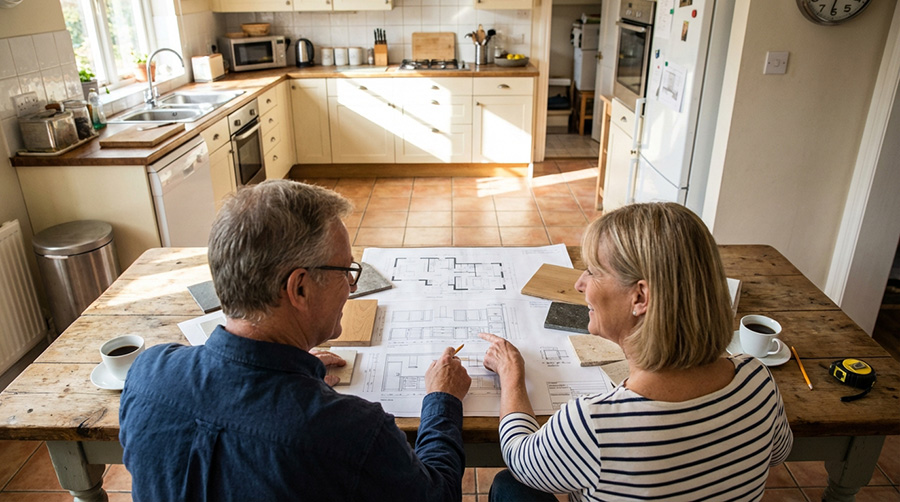
If you’re living in Dublin and you’ve ever looked up at your ceiling and thought, “There’s a whole room up there going to waste,” you’re not alone. We hear it all the time. Families in places like Lucan, Clontarf, Raheny, Castleknock and Dundrum are running out of space – but they don’t necessarily want to move.
An attic conversion can be a brilliant way to add an extra bedroom, home office, playroom or even a master suite. But the big question is always the same:
How much is this actually going to cost me?
In this guide, I’m going to break down what really impacts attic conversion costs in Ireland, especially here in Dublin. No fluff. Just practical insight based on what we see every week on real projects.
What Is the Average Cost of an Attic Conversion in Dublin?
Let’s start with ballpark figures, because I know that’s what you’re really looking for.
In Dublin, attic conversions typically range from:
- €25,000 – €35,000+ for a straightforward Velux (rooflight) conversion
- €35,000 – €55,000+ for a dormer attic conversion
- €55,000+ if you’re adding a bathroom, complex structural changes, or high-end finishes
Now before anyone panics at those numbers – remember, every house is different. A semi-detached in Lucan isn’t the same as a period property in Clontarf. And that’s exactly why costs can vary so much.
If you’re just starting out, it’s worth having a look at our main Home Renovations Dublin page to see how attic conversions fit into the bigger renovation picture.
The 8 Biggest Factors That Impact Attic Conversion Costs
1. The Type of Attic Conversion
This is probably the single biggest cost factor.
Velux Conversion (Rooflight Conversion)
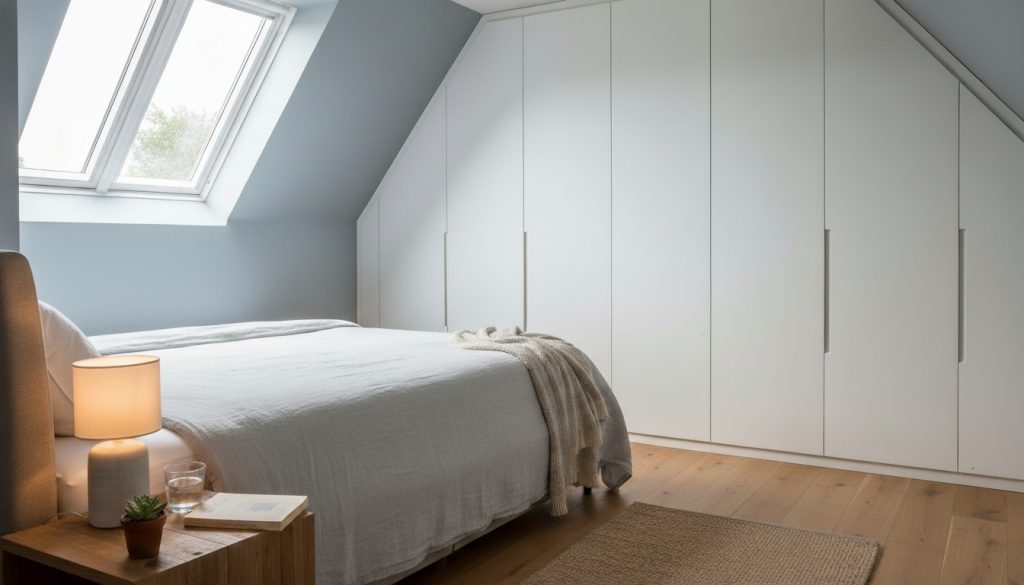
This is the simplest and usually the most affordable option. We don’t change the roof structure dramatically – we install roof windows (Velux), insulate properly, strengthen the floor, and build your room inside the existing space.
Dormer Conversion
This involves extending the roof outwards to create more head height and floor space. It gives you a much more usable room, but it requires more structural work, scaffolding, and materials.
In many Dublin estates built in the 70s and 80s, dormers are very common because they maximise space. But yes – they cost more.
2. Head Height in Your Existing Attic
This is huge.
If your attic already has decent head height (usually 2.4m from floor joists to ridge before conversion), you’re in a good position. If not, we may need to lower ceilings below or raise the roof structure – and that’s where costs climb.
Older red-brick homes in areas like Rathmines or Drumcondra can sometimes surprise you with tight roof spaces. Newer builds in areas like Swords or Adamstown often have better starting dimensions.
Structural alterations = more labour + more engineering = higher cost.
3. Structural Steel Requirements
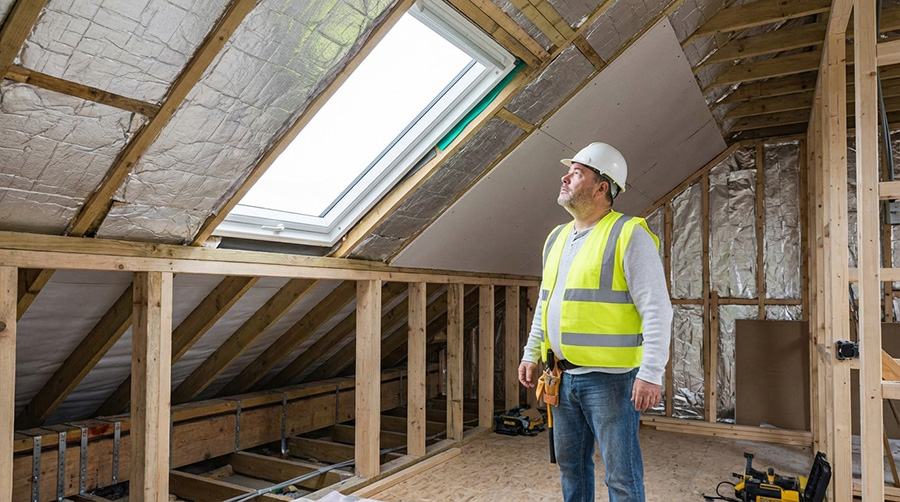
Most attic conversions require steel beams to support the new floor and roof loads. How many beams? That depends on your house type.
A mid-terrace home might need fewer steels than a large detached house in Castleknock. The more structural reinforcement required, the more cost increases – both for materials and installation.
And in Dublin, steel prices have fluctuated over the last few years, which does affect overall budgets.
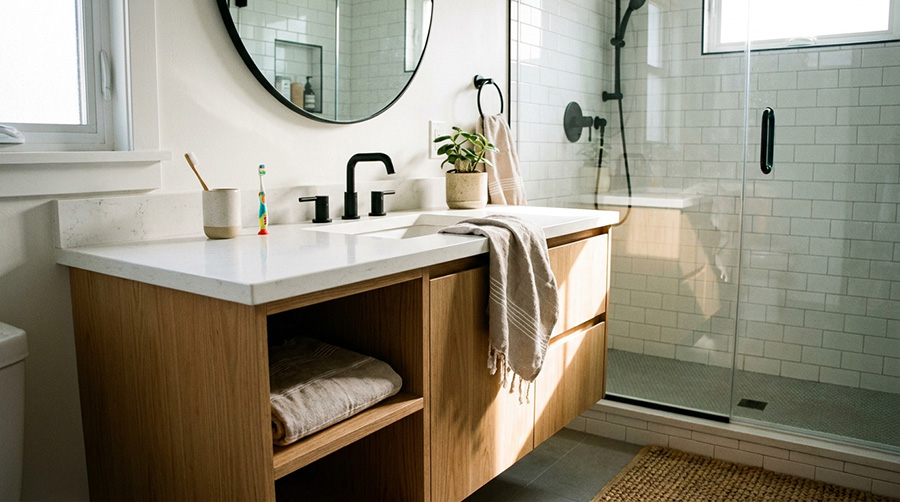
4. Are You Adding a Bathroom?
This is one of the biggest upgrades that impacts price.
A simple bedroom attic conversion is one thing. Add an ensuite bathroom and now you’re talking about:
- Plumbing installation
- Soil pipe connection
- Ventilation systems
- Tiling
- Sanitary ware
- Water pressure considerations
A bathroom alone can add €8,000–€15,000+ depending on spec.
But in fairness, if you’re creating a master suite, it’s usually worth it.
5. Stairs Design and Position
This is something people don’t think about at first.
The staircase has to comply with building regulations. It can’t just be a steep ladder hidden in the corner.
Sometimes we can position stairs neatly over the existing staircase. Other times, we have to reconfigure part of the first floor layout.
If layout changes are required downstairs, that adds carpentry, plastering and finishing costs.
This is where attic conversions can overlap with broader Home Extensions Dublin or internal reconfiguration projects.
6. Insulation & Energy Upgrades
Irish building regulations require proper insulation levels. That means:
- High-performance rigid insulation boards
- Airtightness measures
- Proper ventilation
In older Dublin homes especially, upgrading insulation is essential. You don’t want a freezing attic in January or an oven in July.
Better insulation can increase upfront cost slightly, but it saves you long-term in energy bills.
7. Planning Permission (If Required)
Most standard rear dormer attic conversions in Dublin fall under exempt development – meaning no full planning permission is needed.
However, front dormers or significant roof alterations may require planning.
If planning drawings, applications, and potential revisions are involved, you’ll need to factor in architect or engineer fees.
It’s not always required – but when it is, it adds both time and cost.
8. Finish Level & Specification
This is where budgets can swing wildly.
Basic white walls and standard doors will cost less than bespoke wardrobes, high-end flooring, designer lighting and custom joinery.
We’ve done attic conversions in Clontarf where clients wanted built-in desks, storage nooks and feature panelling. Beautiful result – but it all adds up.
The good news? You’re in control here. Finish level is your choice.
Dublin Location: Does It Affect Cost?
Short answer: yes, slightly.
Labour rates in Dublin are generally higher than in other parts of Ireland. Access can also be trickier in tighter city streets. Parking permits, restricted access, and scaffold positioning can influence logistics.
For example:
- Terraced homes in Phibsborough – tighter access
- Detached homes in Malahide – easier access but larger footprint
- Period homes in Rathgar – more structural care required
Every area has its quirks.
Hidden Costs People Forget About
Let’s be honest – no one likes surprises when it comes to money.
Here are a few things homeowners sometimes overlook:
- Upgrading existing electrics if the fuse board is outdated
- Upgrading water tanks or heating systems
- Painting the landing and stairs area
- Flooring upgrades throughout
- Professional fees (engineer, BER assessor)
None of these are dramatic on their own. But together, they can shift your budget.
Is an Attic Conversion Worth the Cost?
In Dublin? Almost always, yes.
Property prices here are strong. Adding an extra bedroom can significantly increase your home’s value. In many cases, the conversion cost is lower than the jump to a bigger house (especially once you factor in stamp duty, legal fees, and moving costs).
Plus, you avoid the stress of moving. And let’s be honest – nobody enjoys packing up their life into boxes.
How to Keep Your Attic Conversion Costs Under Control
A few practical tips:
- Get a detailed written quote
- Be clear about your finish level early on
- Ask about structural requirements upfront
- Allow a small contingency (around 10%)
Most cost overruns happen because of late design changes. Once construction starts, changes are expensive. Planning properly at the beginning saves money.
Final Thoughts
If you’re sitting in your Dublin home thinking you need more space but don’t want to move, an attic conversion is honestly one of the smartest upgrades you can make.
Costs vary – yes. But once you understand what impacts the price, it becomes much easier to plan properly.
And the best advice I can give? Get someone experienced to look at your specific house. Every attic is different. What works in a semi-detached in Lucan won’t necessarily be the same in a Victorian terrace in Rathmines.
If you’re thinking about converting your attic and want straight-talking advice, feel free to get in touch. We’re always happy to chat through ideas before you commit to anything.
Frequently Asked Questions
How long does an attic conversion take in Dublin?
Most attic conversions take between 6–10 weeks depending on complexity and whether a bathroom is included.
Do I need planning permission for an attic conversion?
Most rear dormer and Velux conversions are exempt from planning permission, but front-facing dormers or major structural changes may require approval.
Can every attic be converted?
Not every attic is suitable. Adequate head height and structural feasibility are essential. A site inspection will confirm suitability.
Will an attic conversion add value to my home?
Yes, adding an extra bedroom typically increases property value in Dublin, especially in family-oriented areas.
Is a dormer better than a Velux conversion?
A dormer provides more usable space and headroom but costs more. A Velux conversion is more affordable but offers slightly less floor area.